Hire Blockchain Developers
A smart contract is software that holds value and, once deployed, usually cannot be corrected. A bug there is a loss of money, not a support ticket. That is the starting point for everything our blockchain developers do, and it is why this page is more cautious than most.
We write and test contracts, connect wallets and build the applications around them. We do not provide security audits. Any contract that will hold or move funds needs an independent audit by a specialist firm before it goes to mainnet, and we prepare the code and documentation for that review.
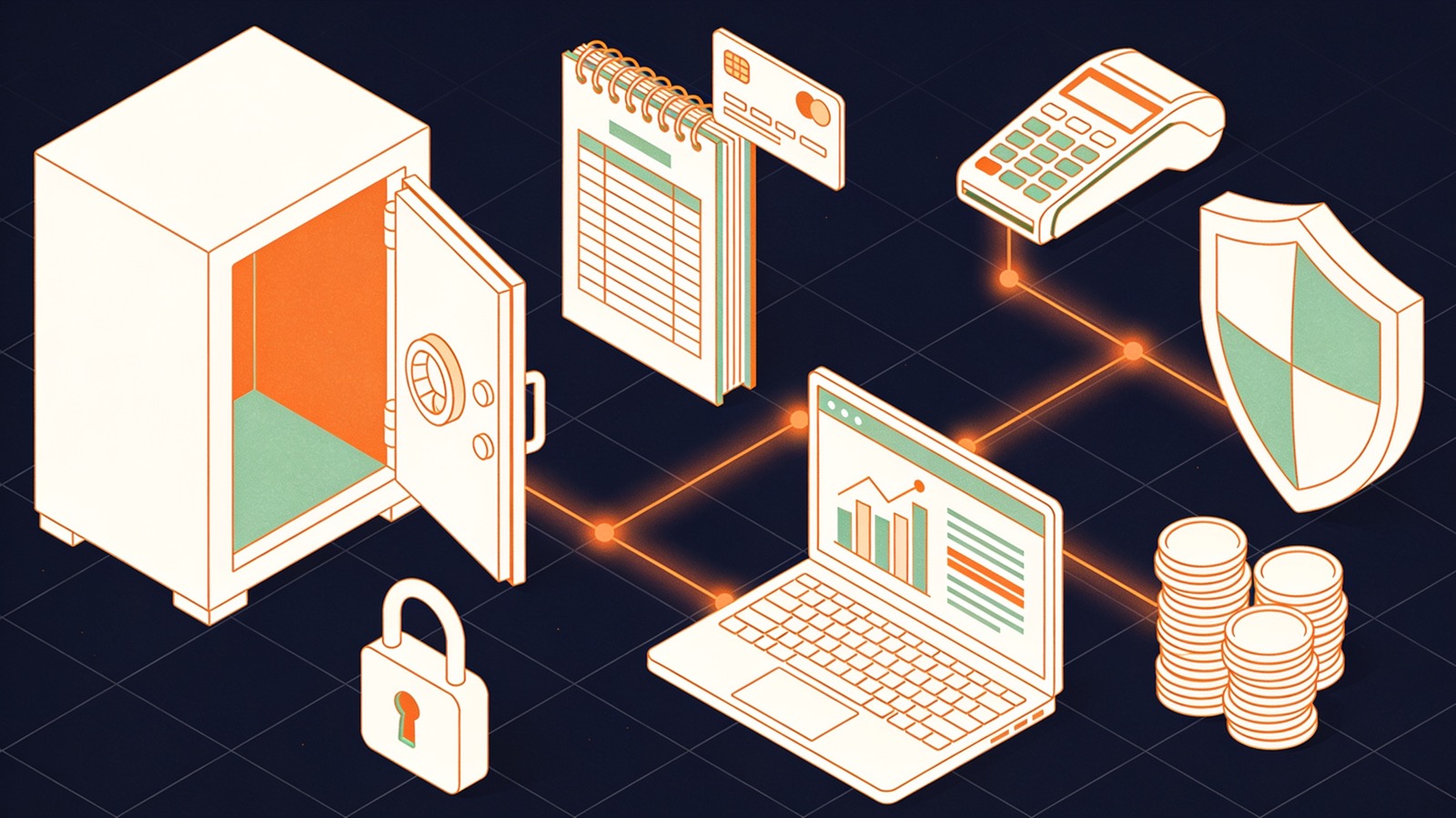
What we take on, and where we stop
Six kinds of blockchain work are listed here. None of them includes token promotion, security audits, or legal advice on how a token is classified.
Smart contracts in Solidity
Token, vesting, escrow, staking and marketplace contracts for EVM chains, built on the widely reviewed OpenZeppelin library where it covers the need. We keep contracts small and avoid upgradeability unless there is a clear reason for it.
Testing and audit preparation
Unit tests, fuzz tests and invariant tests with Foundry or Hardhat, static analysis with Slither, and a written specification of what each function must and must not do. This shortens an external audit. It does not replace one.
Wallet connection and signing
Connecting browser and mobile wallets through WalletConnect and injected providers, typed-data signing under EIP-712, and clear transaction prompts so that users can see what they are approving.
Front ends for decentralised applications
React and Next.js interfaces using viem, wagmi or ethers.js, with handling for rejected transactions, wrong networks, pending states and chain reorganisations.
Indexing and back-end services
Reading contract events into a database or a subgraph so that the application can show history and balances without querying the chain on every page view.
Deployment and key handling
Scripted, repeatable deployments to testnet and mainnet, source verification on block explorers, and ownership transferred to a multisignature wallet that you control. We do not hold your private keys.
Languages, frameworks and networks
The tools below are the ones in common use on EVM chains, with Solana as a separate track.
- Contracts
- SolidityOpenZeppelin ContractsERC-20ERC-721ERC-1155ERC-4337
- Development
- FoundryHardhatSlitherEchidna
- Client libraries
- viemwagmiethers.jsWalletConnectMetaMask
- Networks
- EthereumArbitrumOptimismBasePolygonSepolia testnet
- Data & storage
- The GraphIPFSPostgreSQLNode.js
- Solana
- RustAnchor
Seniority where mistakes are permanent
In this field the level decides who may write code that touches funds. We would sooner decline a task than give it to someone too junior for it.
Junior
Builds interface screens, writes tests for existing contracts, sets up scripts and reads events. Does not write contract logic that holds funds.
Choose when: the contracts are written and reviewed by others and you need application work around them.
Mid-level
Writes contracts from a specification using standard patterns, with thorough tests and gas measurements, and integrates them with the front end and back end.
Choose when: the design is settled, follows known standards, and an audit is already planned.
Senior
Designs the contract architecture, access control and upgrade policy, reasons about reentrancy, oracle and rounding risks, and works through the findings with the external auditors.
Choose when: the contracts are novel, hold significant value, or must interact with other protocols.
How a blockchain engagement is set up
Explain what you are building
The chain, what the contracts must do, what value they will hold, and whether an auditor is engaged. A written specification is better than a pitch deck.
Talk to the engineer we name
We propose a specific developer and you question them directly. If you are not satisfied we propose another, or tell you we do not have a suitable person.
A small first piece
One contract with its tests, or a read-through of existing code, deployed to a testnet only. You see the standard of work before going further.
Steady reporting
Code is committed to your repository and tasks are tracked in your tools. You get a weekly summary of progress and blockers, and one invoice a month.
Is this the right team for your project?
We are a good choice when
- You have a defined product and need contracts and an application built carefully.
- You accept that an independent audit is a separate cost from a separate firm.
- You want code, tests and documentation in your own repository.
- You need blockchain features added to an existing web or mobile product.
Look elsewhere when
- You need a security audit. We do not provide one and will not describe our own code as audited.
- You want a token launched within days with no testing period.
- You are looking for advice on regulation, securities law or tax. That needs a lawyer.
- The aim is a copy of an existing protocol with the name changed.
Blockchain work: what to know first
Do you audit smart contracts?
No. We write, test and document contracts and run automated analysis, but a security audit must come from an independent specialist who did not write the code. If your contracts will handle funds, budget for that audit and for the time to fix what it finds.
Does an audit make a contract safe?
It reduces risk and does not remove it. Audited contracts have been exploited. Sensible projects add deposit limits at launch, monitoring, a pause mechanism where appropriate, and a written plan for what to do if something goes wrong.
Should our contracts be upgradeable?
Upgradeable proxies let you fix bugs, but they also mean that whoever holds the admin key can change the rules. If you use them, the key belongs in a multisignature wallet, ideally behind a time lock, and users should be told.
Which chain should we deploy on?
That depends on where your users and their assets are, on transaction costs and on the tooling you need. Layer 2 networks such as Arbitrum, Optimism and Base run Solidity contracts with lower fees than Ethereum mainnet, with small differences that need testing. We set out the trade-offs and the choice is yours.
Who holds the keys and owns the code?
You do. Code is committed to your repository and belongs to you under the agreement. Deployer and admin keys are yours, and ownership of deployed contracts is transferred to a wallet you control.
How is the work priced?
Blockchain work is not on our published rate card. We quote for each engagement after reading the specification, because the effort depends on how much of the design is new and on the testing it calls for.
Tell us what the contracts must do
Send the chain, a description of the contract behaviour and the state of any existing code. Say whether an auditor has been chosen. We reply within one business day.